
Just over the weekend, I had the chance to visit the Kranji Countryside, a collection of farms located in the rural north-western corner of Singapore. It is touted as the Wild Wild West of Singapore, which is funny in the larger context of the rest of the world, but probably true for Singaporeans who are more used to seeing high rise buildings than acres of vegetable beds & piles of goat poo.
So what warranted this visit? With the growing focus on a healthier lifestyle and calls for “Farm to Table”, “Wholefoods” & “Organic” gaining increasing momentum around the world, I wanted to know if we had a sustainable food source, that does not rely solely on imports, able to support these food movements.
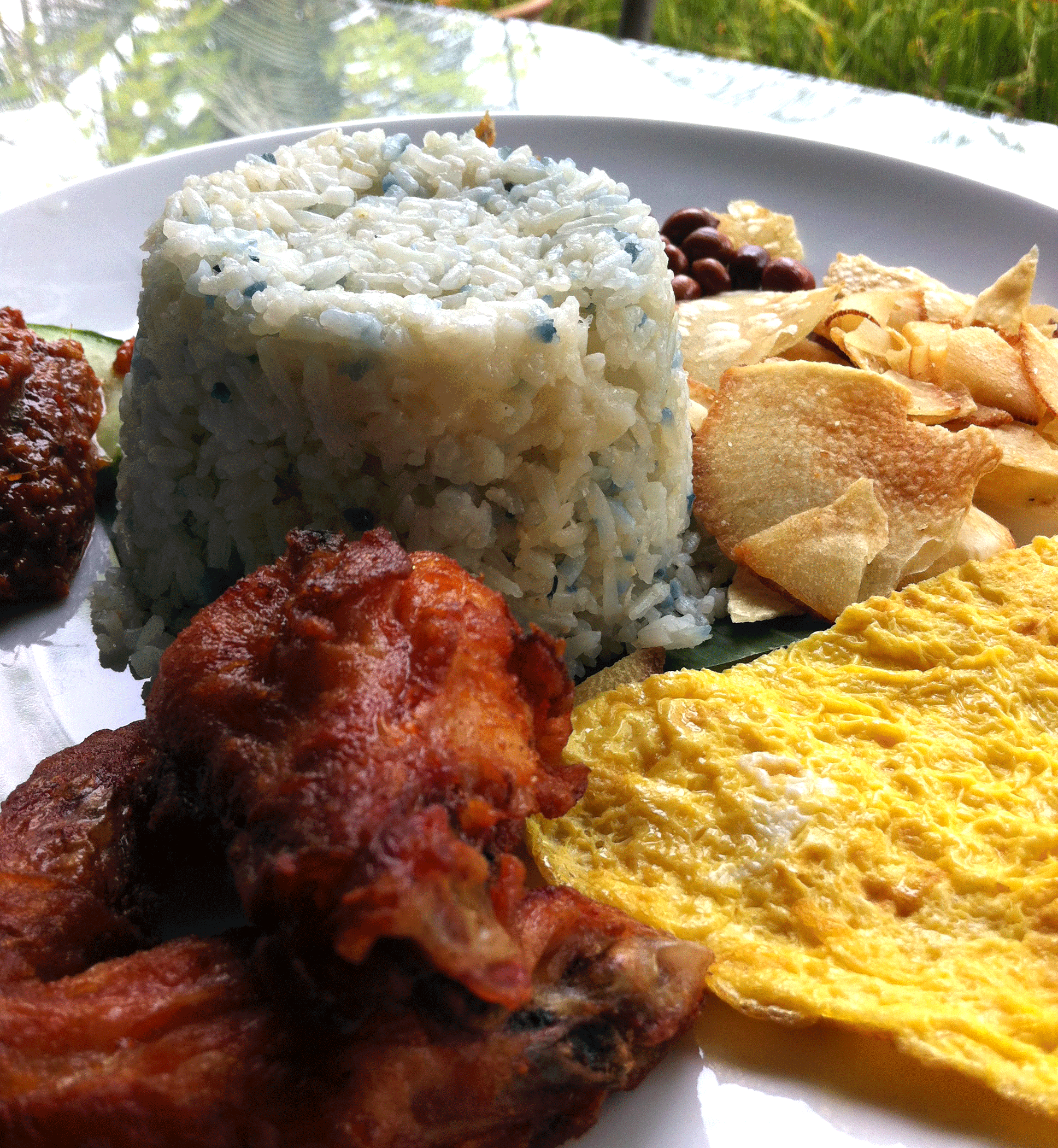
Their signature “Blue” Nasi Lemak
First stop was at Bollywood Veggies, a ten acre farm, with an onsite bistro serving local fare cooked with produce from the farm. So, what better way to experience the local farm culture than to dive right in, into lunch of course. Their signature “Blue” Nasi Lemak was nicely fragrant and the blue colour in the rice comes from the petals of the clitoria ternatea (butterfly-pea) flowers (kembang telang) grown on the farm. It would have been better if the rice was served warm instead of cold and it was a little too soft for my taste. But the chicken wing (hot & crispy), ikan bilis & tapioca chips (grown right on the farm) and chilli (more would have been better) were good.
The tour of the farm, after lunch, was pretty educational. The many different types of herbs, fruit trees, vegetables, flowers available on the farm makes for an interesting time. Everything is well-labelled and there are short writeups for the different sections, so even for the uninitiated, a self-guided tour is easy. Makes for a great weekend activity, especially if the only time you get to see vegetables and fruits are when they are in their packages in the supermarkets or on your plate.


Next up, a visit to Hay Diaries, the only goat farm we have in Singapore. Housing some 800 goats of various breed, Hay Dairies offers fresh goat’s milk to customers as an alternative to those allergic to cow’s milk. Purchase is available either through Home Delivery Service, Selected Store Outlets or Direct Farm Purchase. They currently offer 2 flavours, natural & chocolate. I recommend the natural version as the chocolate tastes a little artificial. Goat’s milk also generally tastes a little less rich than cow’s milk. For those who are hoping to catch some milking action, you’ll need to come between 9 – 11am.


Moving on, Quan Fa Organic Farm is where you’ll get to see a real working farm, with just beds and beds of vegetables, all farmed by hand and free of pesticides and harmful fertilizers. Aside from the vegetables, there is a small retail store onsite where you can purchase fresh produce right off the farm. While organic vegetables tend to be slight pricier, it’s certainly worth the little extra for fresh, natural greens and I was tempted to make some purchases here as the vegetables were beautiful and fresh.


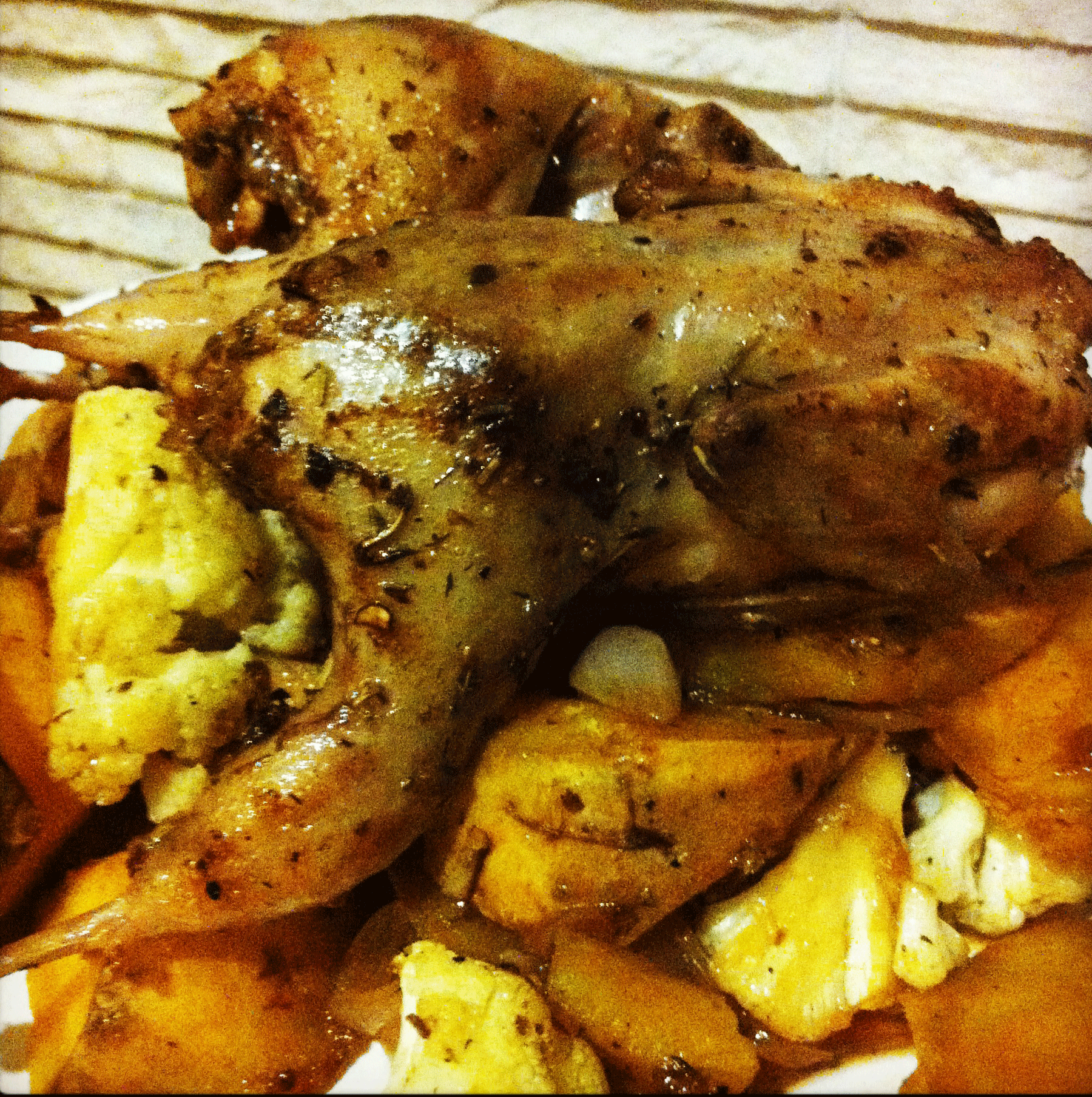
Roasted Quail with Sweet Potato & Cauliflower
Final stop for the day was at the Farmart Centre. Based on its website, you would think it is the perfect location for a family outing, with farm tours, animal feeding, dining, shopping – NOT. It was the most disappointing part of the afternoon for me. A sad, run down excuse of a location with animals crammed in their enclosures, stores mostly closed and loud karaoke singing in the background. The only redeeming part of that visit was Uncle William’s store, the retail arm of Lian Wah Hang Farm, the first and only Game Bird farm in Singapore, where I bought some quail eggs and spring quails (which I used to make this roasted quail dish).
All in all, it made for an interesting afternoon on a weekend. Not the usual programme most of us city-dwelling Singaporeans are used to. I definitely recommend it if you have never been here before. There is a lot more to be discovered in this last bit of farming paradise in Singapore, with easily more than 20 different farms on the list. And it is heartening to know that if we wanted to, we can still practice a farm-to-table approach in our cooking and perhaps we all should do so more readily. Not only does it mean a cleaner, healthier living, but also by supporting our local enterprises, we just may be able to play a part in keeping this last bit of green tradition from disappearing all together.
To find out how you can support the farm-to-table practice at your next party, contact us for a discussion.
 Cook In:Lab
You must be logged in to post a comment.